


Frequently Asked Questions

Navigating the complexities of healthcare for a loved one can be overwhelming. We have compiled a comprehensive list of frequently asked questions to help you understand our admissions process, therapies, and inpatient care services.
If you don't find your answer here, contact our Central Admissions Office to speak with an Admissions Coordinator.

Central Admissions Office
(800) 442-1717
What Are Your Admission Guidelines?
We uphold the standards of Medicare and Medicare guidelines for appropriate admissions to our facility.
Physicians, office staff, and VNAs must specify that they are looking for an outpatient inpatient admission from your doctor's office or home when they call our central admission line at (800) 442-1717.
Patient demographics, inclusive of the insurance carrier and policy number(s), along with pertinent clinical information outlined below.
What’s the Difference Between Acute and Subacute Rehabilitation?
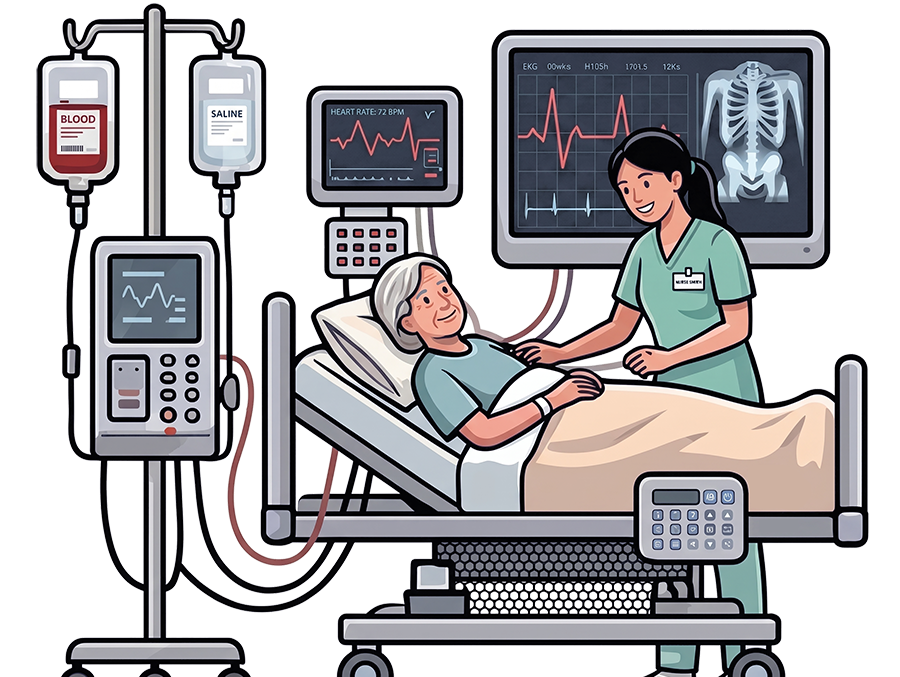
Acute (hospital) level inpatient rehabilitation is appropriate for patients with a rehabilitation diagnosis, who will benefit from an intensive, multidisciplinary acute rehabilitation program. The patient is expected to make significant functional and/or medical improvement within a reasonable time frame. Patients receive up to three hours of therapy a day. Therapy is tailored to the needs of the individual patient.
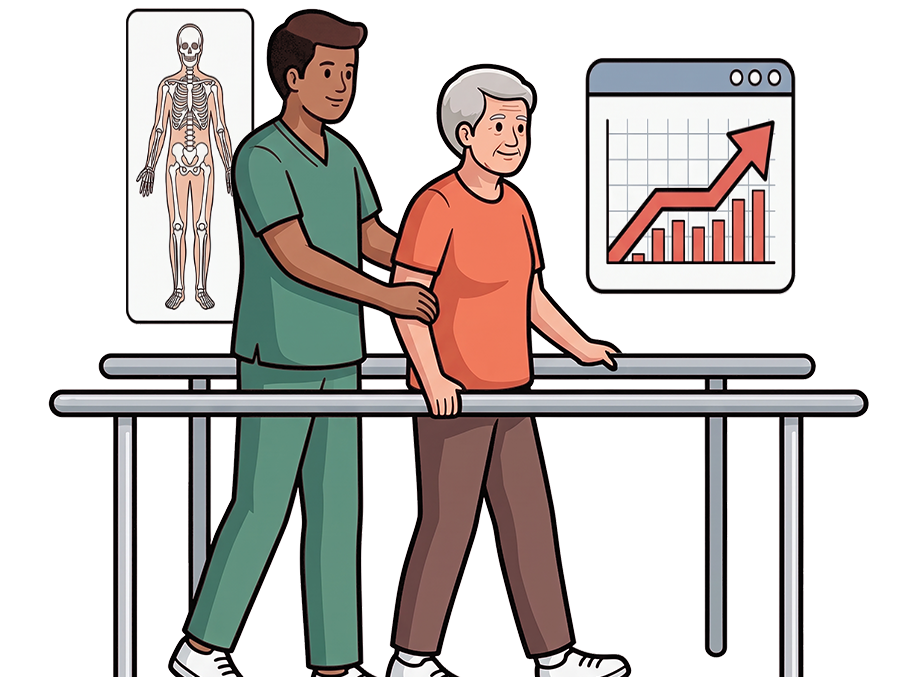
Subacute level care is less intensive than acute rehabilitation. A multidisciplinary approach, including physical, occupational and speech therapy is provided in the subacute setting, however, the number of hours each patient receives depends on how much the patient can safely tolerate.
Who will be My Doctor?
Each patient admitted to our hospital is assigned two licensed medical practitioners: a physiatrist, a doctor who specializes in physical rehabilitation medicine, as well as a hospitalist.
The physiatrist leads the patient’s rehabilitation team, which includes case management, nursing, PT, OT, speech, nutrition, neurological psychology, and social services. The hospitalist (MD, PA, NP) manages acute health changes as well as chronic conditions and provides services such as medical management and medication oversight. Together, they work as a team to deliver optimal care.
There is also a medical staff, which consists of specialty physicians who provide consultations to our patients. Some of these physicians may include specialists in neurology, nephrology, and pulmonary medicine.
Can My Spouse/Family Member Tour Your Hospital?
We encourage family members to tour the hospital prior to admission. Prospective patients can contact their case manager or call the hospital directly to schedule their personal tour with our admissions team.
To tour our Bradford facility call (978) 372-8000.
To tour our Westborough facility call (508) 870-2222.
What Types of Insurance Do You Accept?
We accept most major insurance plans, including Medicare, Medicaid, commercial health plans, and workers' compensation.
Because coverage and network participation vary by provider and location, please verify your specific benefits with your insurer before admission.
How Does My Family Member Get Referred to Whittier?
Patients typically admit from an acute care hospital setting. A referral is made by your doctor, case manager or social worker during your stay in the hospital. Occasionally, patients can also be admitted directly from the emergency room.
Please ask your discharge planner to make a referral to our Clinical Liaison Team. You always have the right to choose which facility you go to.
Can I Arrange to Go to Whittier Prior to My Surgery?
There are many surgical procedures that may require inpatient or outpatient rehabilitation following the surgery. If your doctor believes post-surgical rehabilitation services are required, he/she can make arrangements prior to your surgery. It is important to talk to your doctor about your follow-up care.
What Is Our Notice of Privacy Practices?
Click the link below for a viewable/downloadable PDF on Privacy Practices.
What is Our Hospital Charge Listing?
As required by The Centers for Medicare and Medicaid Services (CMS), a complete list of standard hospital charges for each Network hospital is provided here.
Whittier Health Network acknowledges the importance of patients’ access to information. The Network hospitals Charge Description Masters, also known as CDMs, contain the prices of all services and procedures.
A Complete Continuum of Post-Acute Care
From medically complex recovery to outpatient therapy, our network provides the right level of care at every stage of healing.

Long-Term Acute Care Hospital (LTACH)
Extended hospital-level care for medically complex patients who need more time to recover.

Inpatient Rehabilitation Facility (IRF)
Intensive therapy programs designed to restore independence after illness, injury, or surgery.

Transitional Care Unit (Subacute)
24/7 nursing care and rehabilitation focused on strength, mobility, and safe transition home.

Outpatient Therapy Services
Physical, occupational, and speech therapy to continue progress after discharge.